

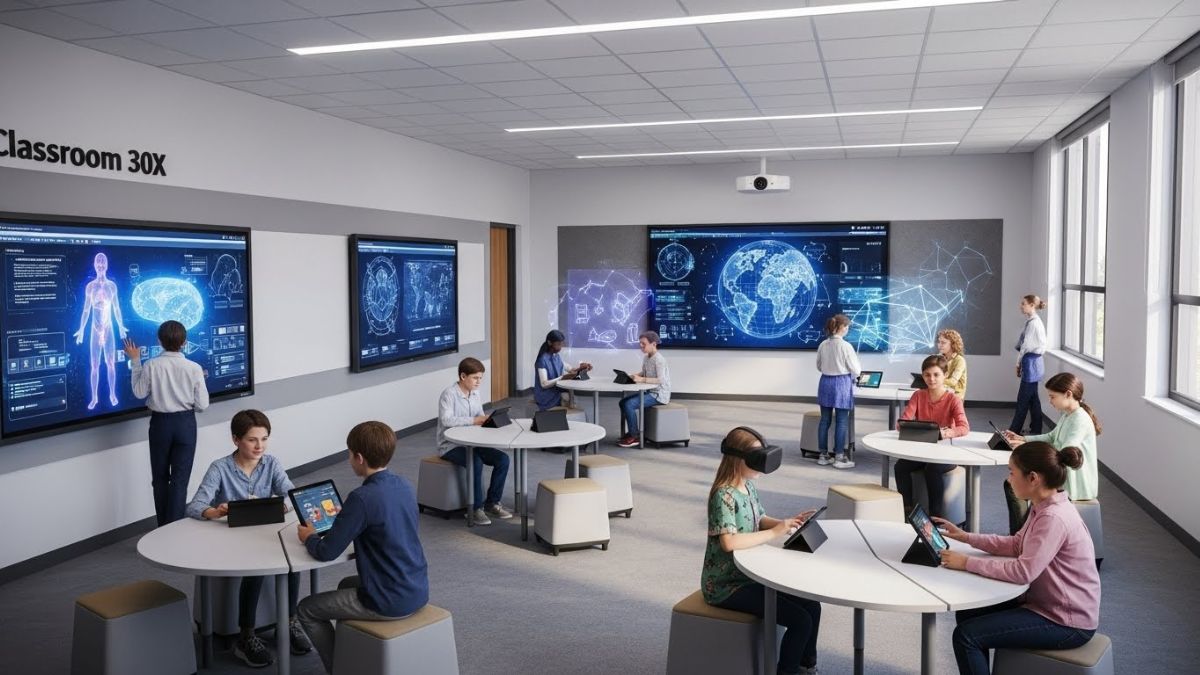
Imagine a classroom where learning is not confined to four walls but expands into an engaging, interactive experience. Welcome to Classroom 30x—a revolutionary approach that redefines traditional education. In this innovative environment, students are empowered to explore, collaborate, and create like never before. Gone are the days of one-size-fits-all teaching methods; instead, we’re entering an era where personalized learning thrives.
Classroom 30x combines flexibility with technology to foster curiosity and adaptability among students. Whether it’s through dynamic seating arrangements or integrated tech tools, this concept encourages active participation from every learner. Join us as we delve deeper into what makes Classroom 30x a game-changer in educational settings and discover how it can transform the way our children learn today.
What is classroom 30x?
Classroom 30x is a transformative approach to education that reimagines traditional learning spaces. It focuses on creating an interactive environment where students are actively engaged in their learning journey.
This model emphasizes flexibility and adaptability, allowing educators to tailor the space according to various teaching methods and student needs.
Instead of rigid desks lined up in rows, Classroom 30x encourages collaboration through dynamic seating arrangements. It promotes group work, discussions, and hands-on activities which help foster critical thinking skills.
Technology also plays a significant role in this innovative classroom design. Integrated tools enhance the learning experience by providing immediate access to information and resources from around the world.
Classroom 30x aims to create a vibrant atmosphere that inspires curiosity and creativity among learners while preparing them for future challenges.
The History of Traditional Classrooms
Traditional classrooms have evolved over centuries, shaped by educational philosophies and societal needs. In the early days, education was primarily conducted in homes or small community settings. Knowledge was often passed down orally from elders to children.
As formal schooling began to take root in the 19th century, classrooms were characterized by rigid rows of desks facing a blackboard. The teacher stood at the front as the sole authority figure. This model emphasized rote learning and discipline.
Throughout the 20th century, innovations emerged. Progressive educators sought more interactive approaches, but many traditional methods lingered on. Classrooms remained largely unchanged for decades.
The advent of technology brought new tools into play but didn’t radically alter classroom layouts until recently. Today’s learners crave collaboration and flexibility—elements that conventional designs struggle to accommodate effectively.
How Classroom 30x is Changing the Game
Classroom 30x is redefining how students engage with learning. By integrating technology and innovative design, these classrooms foster collaboration and creativity.
Traditional setups often limit interaction. Classroom 30x breaks those barriers, encouraging dynamic discussions among peers. With flexible seating arrangements, students can choose spaces that suit their learning styles.
The focus shifts from rote memorization to critical thinking. Interactive tools enable hands-on experiences that enrich the educational process. This shift not only enhances comprehension but also makes learning enjoyable.
Teachers are empowered to adopt diverse teaching methods tailored to student needs. The classroom becomes a hub for exploration rather than just instruction.
In this environment, students take ownership of their education. They become active participants rather than passive recipients of information, leading to deeper understanding and retention of knowledge.
The Benefits of a 30x Learning Environment
A 30x learning environment transforms how students engage with material. It fosters collaboration and creativity, allowing learners to share ideas freely. This interactive approach enhances critical thinking skills.
Flexibility is another major benefit. Students can choose their preferred learning styles, whether through group projects or independent research. The adaptability of the space encourages exploration and active participation.
Access to technology also plays a crucial role. With modern tools integrated into the classroom, students can dive deeper into subjects that interest them most. This leads to increased motivation and retention of knowledge.
Moreover, a focus on real-world applications helps bridge theory and practice. Learners see relevance in their studies, making education feel more meaningful.
These elements create an atmosphere where curiosity thrives while preparing students for future challenges in an ever-evolving world.
Design Features of a 30x Classroom
A 30x classroom is designed with flexibility and collaboration in mind. Movable furniture allows for quick reconfiguration, supporting various teaching methods and group activities.
Natural light plays a crucial role, fostering a welcoming atmosphere that enhances focus and creativity. Large windows or skylights invite the sun in, making learning spaces feel vibrant.
Technology integration is seamless. Interactive boards, tablets, and smart projectors create an engaging digital landscape where students can thrive. This tech-centric approach encourages exploration beyond traditional textbooks.
Acoustic design matters too. Sound-dampening materials help maintain an environment conducive to discussion while minimizing distractions from outside noise.
Incorporating nature into the space promotes well-being. Greenery or biophilic elements provide a calming influence that supports mental health during intense study sessions.
Success Stories: Schools and Teachers Implementing Classroom 30x
Across the globe, schools are embracing the Classroom 30x model with stunning results. One notable example is Maplewood High, where students thrive in a flexible learning space tailored to their needs.
Teachers report increased engagement levels. With movable furniture and tech integration, lessons become interactive and dynamic. Students collaborate on projects effortlessly, sparking creativity.
Another success story emerges from Riverside Academy. Here, educators utilize varied seating arrangements to accommodate different learning styles. This inclusivity fosters an environment where every student feels valued and motivated.
Parents also notice remarkable changes at home as children express enthusiasm for school activities. The shift towards personalized learning has ignited a passion for knowledge that many thought was lost in traditional settings.
These transformative experiences highlight how Classroom 30x empowers both teachers and students alike, paving the way for innovative educational practices worldwide.
Challenges and Solutions for Implementing Classroom 30x
Implementing Classroom 30x can come with its own set of challenges. One major hurdle is resistance to change. Educators accustomed to traditional methods may find it daunting to adopt new teaching styles and technologies.
Training is crucial for easing this transition. Professional development programs focused on Classroom 30x principles can empower teachers with the skills they need.
Budget constraints are another common issue. Schools often struggle to allocate funds for redesigning spaces and purchasing innovative tools. Seeking grants or community partnerships can help bridge these financial gaps.
Additionally, integrating technology poses its own difficulties. Not all students have equal access at home, which can create disparities in learning experiences. Solutions like providing devices or creating tech-support systems within schools can mitigate this problem.
Open communication among staff, administrators, and parents fosters a collaborative environment that supports successful implementation as well.
Conclusion:
As we navigate the future of education, Classroom 30x emerges as a dynamic force reshaping learning environments. This innovative approach offers flexibility and adaptability, allowing educators to cater to diverse student needs effectively.
The shift from traditional classrooms reflects an understanding that students thrive in spaces designed for collaboration, creativity, and engagement. With its emphasis on technology integration and student-centered design, Classroom 30x empowers both teachers and learners.
Many schools are already reaping the rewards of this model through improved academic outcomes and enhanced classroom experiences. While challenges remain—such as funding and training—the solutions are within reach.